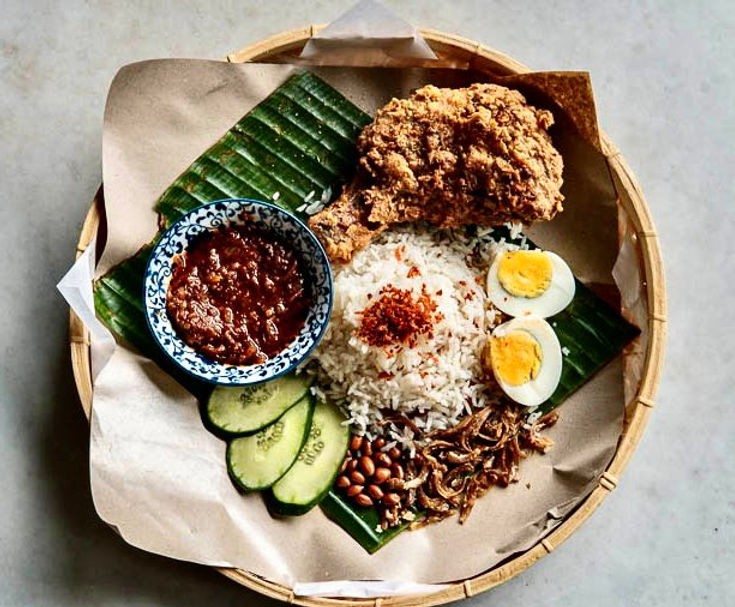

If you want to taste the rich history of the Horn of Africa in a single bite, Skudahkharis is the perfect place to start. As the indisputable national dish of Djibouti, this comforting, one-pot lamb and rice stew is synonymous with hospitality, warmth, and celebration. It is traditionally the centerpiece of special occasions, particularly during the Islamic holiday of Eid al-Adha.
What makes Skudahkharis so special is how deeply flavorful it is. Thanks to Djibouti’s historic position along the spice trade routes, this dish relies on a beautiful, fragrant blend of warming spices—think cardamom, cumin, cloves, and cinnamon. Because the rice is cooked directly in the spiced tomato and lamb broth, every single grain absorbs an incredible amount of flavor.
What You’ll Need
The Core Components
- 500g (1 lb) lamb shoulder or leg, cut into bite-sized chunks (beef or chicken can also work!)
- 1 large yellow onion, finely chopped
- 3 cloves of garlic, minced
- 1 can (14-15 oz) of diced tomatoes (or fresh tomatoes mixed with a little tomato paste)
- 2 tablespoons of ghee (clarified butter) or vegetable oil
- 2 cups of beef or lamb broth (plus extra water as needed)
The Spices & The Rice
- 1 cup long-grain white rice or basmati, thoroughly rinsed
- 1 teaspoon ground cardamom
- 1 teaspoon ground cumin
- 1/2 teaspoon ground cinnamon
- 1/4 teaspoon ground cloves
- 1/4 teaspoon cayenne pepper (adjust to your heat preference)
- A generous pinch of saffron threads (optional, but highly recommended)
- Salt and freshly cracked black pepper to taste
How to Make It
- Bloom the spices: Heat the ghee in a heavy-bottomed pot or Dutch oven over medium heat. Add the chopped onions and sauté until they just begin to soften and turn translucent. Stir in your cumin, cardamom, cinnamon, cloves, and cayenne. Cooking the spices in the hot fat for a minute or two will “bloom” them, releasing their essential oils and filling your kitchen with an incredible aroma.
- Brown the meat: Toss in the minced garlic and cook for another 30 seconds. Add your lamb chunks to the pot, stirring well to coat them in the spiced onion mixture. Cook until the lamb is lightly browned on all sides.
- Build the stew: Pour in the diced tomatoes (with their juices), the broth, and the saffron if you are using it. Season generously with salt and pepper. Bring the liquid to a gentle boil, then turn the heat down to low, cover the pot tightly, and let it simmer. You want the lamb to cook until it is incredibly tender, which usually takes about 45 minutes to an hour. (Check it occasionally and add a splash of water if the liquid reduces too much).
- Cook the rice: Once the lamb is fall-apart tender, stir in your rinsed rice. The liquid in the pot should just cover the rice; if it doesn’t, add a little more broth or water. Give it one good stir, bring it back to a gentle simmer, cover the pot, and let it cook for about 15-20 minutes.
- The final rest: Once the rice has absorbed the liquid and is tender, take the pot off the heat. Keep the lid on and let it rest undisturbed for 10 minutes. This helps the rice grains firm up and finish steaming perfectly.
Tips for the Perfect Skudahkharis
- Mastering the “5 C’s”: The signature flavor of this dish comes from the balance of Cardamom, Cumin, Cinnamon, Cloves, and Cayenne. While you should definitely adjust the cayenne to your heat tolerance, try to keep the warm spices balanced so no single flavor overpowers the dish.
- The One-Pot Magic: Resist the urge to cook the rice separately! Cooking the rice directly in the stew is what gives Skudahkharis its signature rich, cohesive, and deeply savory texture.
- Serve with flatbread: In Djibouti, dishes like this are often enjoyed alongside a spongy, slightly sour flatbread called Laxoox (sometimes known as Anjero), which is absolutely perfect for scooping up any extra sauce or meat.